
Metabolic and GLP-1 Peptides
Retatrutide, tirzepatide, semaglutide and cagrilintide, in vials and pens. Strengths from 2mg to 60mg.
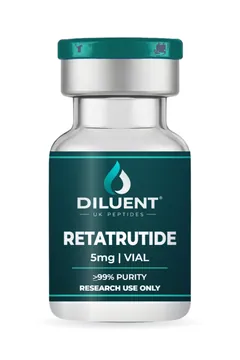 Retatrutide
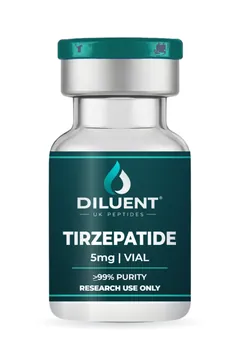 Tirzepatide
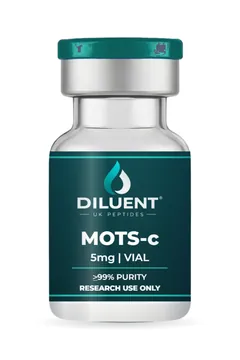 MOTS-c
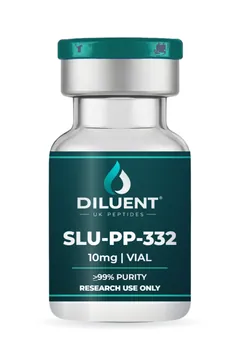 SLU-PP-332
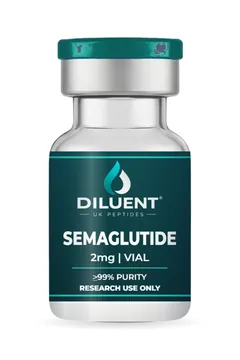 Semaglutide
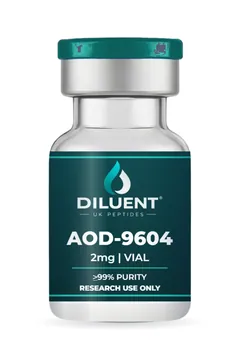 AOD-9604
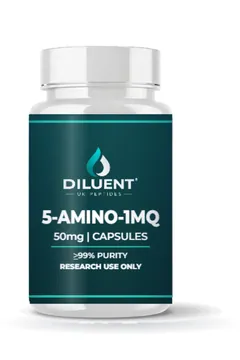 5-Amino-1MQ
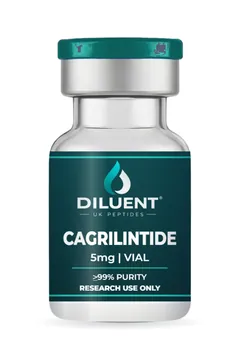 Cagrilintide
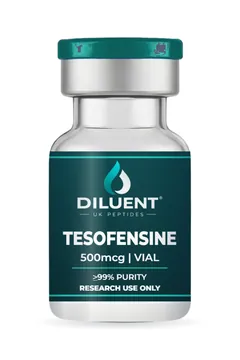 Tesofensine
About Metabolic and GLP-1 Peptides
The incretin agonists
| Compound | Receptors | Code | Strengths here |
|---|---|---|---|
| Semaglutide | GLP-1 | , | 2mg, 5mg, 10mg |
| Tirzepatide | GIP, GLP-1 | LY3298176 | 5mg to 60mg |
| Retatrutide | GIP, GLP-1, glucagon | LY3437943 | 5mg to 40mg |
The odd one out is cagrilintide, which analogues amylin instead of acting on an incretin receptor. You can buy it alone or already mixed into the blends.
What else is on this shelf?
Four more, none of them incretin agonists. SLU-PP-332 and 5-Amino-1MQ are small molecules. AOD-9604 is a fragment of growth hormone. MOTS-c comes from mitochondria. Tesofensine inhibits monoamine reuptake.
What formats are these supplied in?
Both retatrutide and tirzepatide come either way, as vials or as pens, at 20mg, 30mg and 40mg. The vial is dry powder waiting on bacteriostatic water; the pen is already liquid.
Metabolic & GLP-1 questions
Which of these has the most published human data?
Semaglutide and tirzepatide lead, both having run complete clinical programmes under their licensed brand names. Retatrutide has reached phase 2 in its published record.
What is the difference between a pen and a vial?
Only the state it arrives in. Pens are ready mixed; vials are freeze-dried and need making up first. The compound and the specification are identical.
Why does the price per milligram change with size?
Filling, labelling, packing and posting a big vial costs little more than a small one, so the milligram rate drops. We print that rate on every row.